


Product labels and packaging design carry a great deal of responsibility. They must hold their own in long aisles within seconds. A quick glance often decides whether something is understood or overlooked, whether a hand reaches out or keeps searching. Several layers often emerge in our thinking: Where is the product positioned? Top, bottom, center or somewhere on the edge? What is happening next to it? How loud or quite is the product? Does it linger in the mind, even when someone is actually looking for something else?

As long as the products are familiar to someone, the sheer variety isn’t necessarily intimidating. It’s only from a distance that what’s missing becomes visible: cohesion.
The larger a range becomes, the less a single product can act as the sole point of orientation. It is the interplay that counts: Can you tell at a glance what you are reaching for? How do the products relate to one another? Are they just standing side by side, like two old acquaintances?


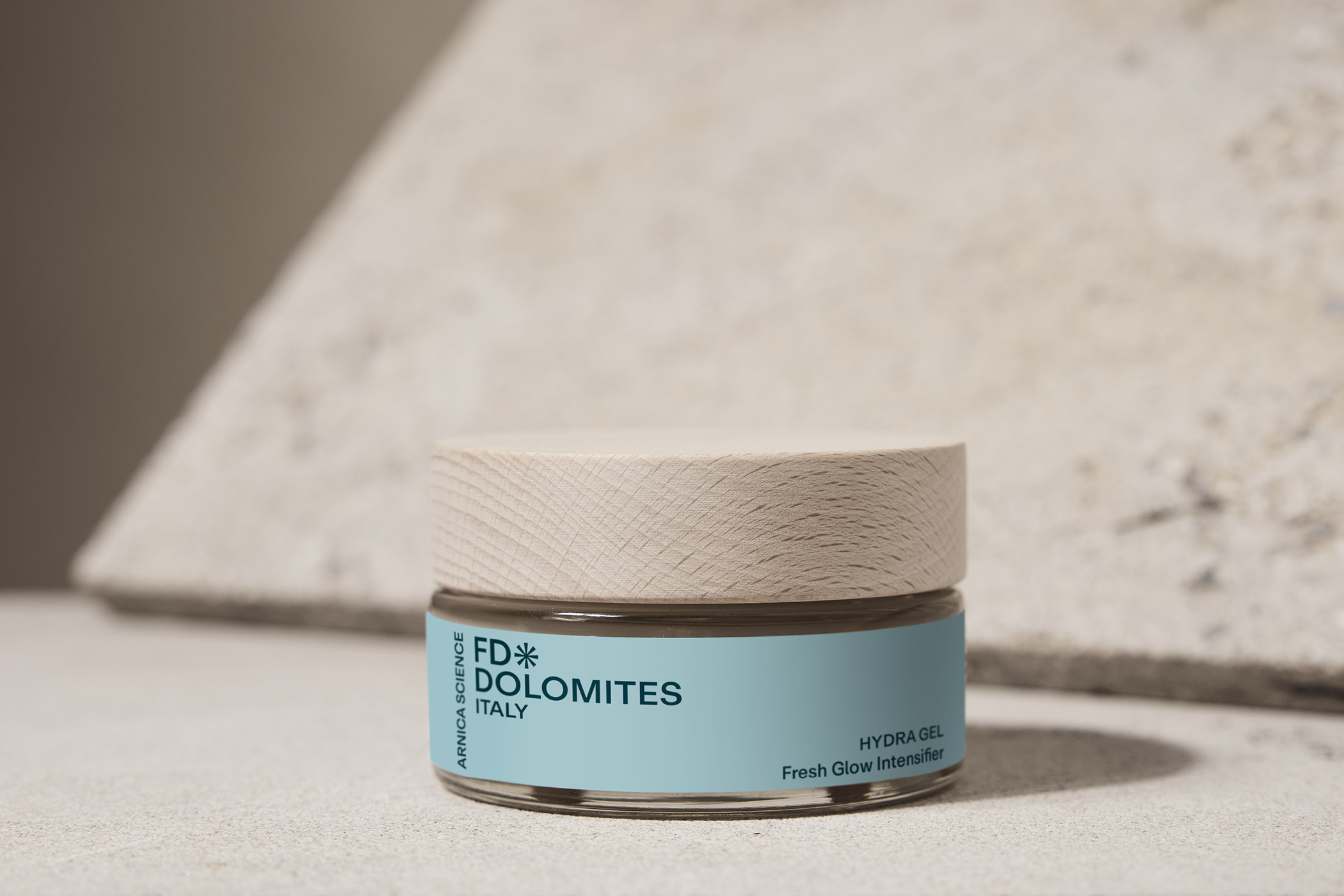




This is precisely where color functions as an organizing principle. It separates, connects, directs and relieves. Color systems act as reference points before language even enters the play. In a range with great breadth, color almost becomes its own form of navigation.